
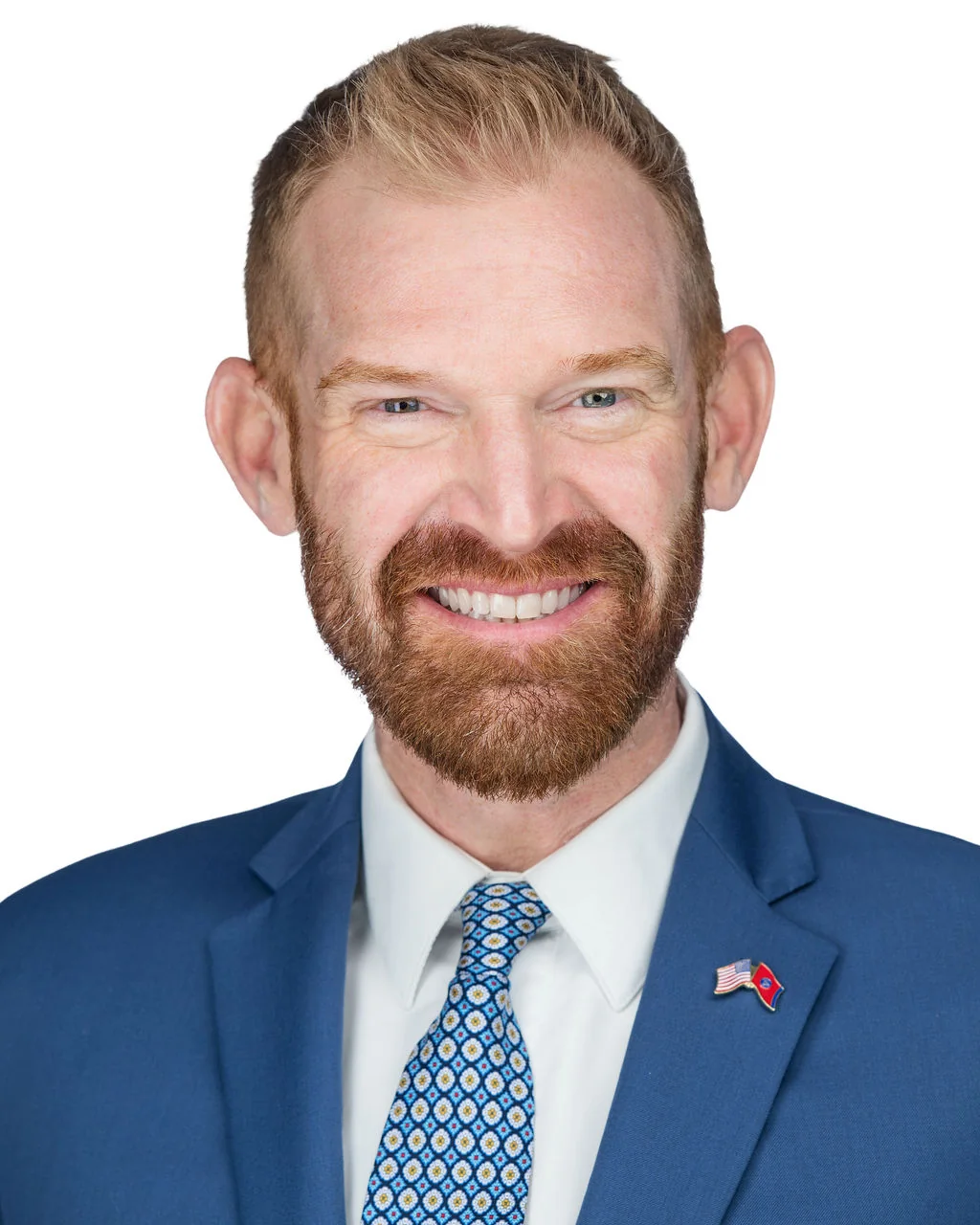
Clint Palmer runs the compliance program day to day. He is the person clients text a photo of a label to, or call when a certificate of analysis comes back strange, or reach at 9 p.m. when something is on fire. Clint is not an attorney. He handles compliance, and when a question turns into a legal one he brings in the group’s attorneys rather than handing the client off to a stranger.
His background is unusual for this work. He came up through plant science research at Middle Tennessee State University, where he led nine research tracks at the Tennessee Center for Botanical Medicine Research, including greenhouse and field cultivation trials and animal feed trials in poultry, swine, and cattle. He ran cannabinoid and terpene analysis by gas chromatography and high-pressure liquid chromatography. As an undergraduate researcher he led the state’s first variety trial of industrial hemp.
From there he moved into large-scale operations. As Director of Operations at Optimara Agriculture from 2019 to 2024, he managed more than 2 million seedlings, more than 1 million clones, and 1.5 acres of flowering greenhouse, with phenotype research across 700+ cannabis varieties. He led the breeding program that produced the world’s first variegated pinnate CBD hemp plant from seed.
He has advised the Tennessee Growers Coalition on legislative strategy since 2018, drafting and reviewing bills before they reach the General Assembly and working with the Department of Agriculture on rules and program implementation. He has worked with hemp operators since Tennessee’s program began in 2014.
Attorneys bring him in as an expert witness in state and federal cannabis cases, where the question is usually what is happening at the molecular level, what counts as standard practice in cultivation, and where the science and the law stop agreeing.